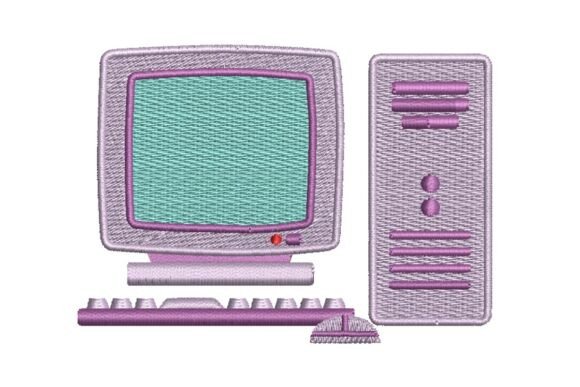
Retro Computer Embroidery Design
The Retro Computer embroidery design is a nostalgic nod to the 90s, blending vintage aesthetics with modern craft trends. With its pastel color palette and retro desktop computer motif, it's a standout choice for tech lovers and those who appreciate geek-chic style. This machine embroidery design offers versatility across various handmade products, making it ideal for craft fair sellers and Etsy entrepreneurs looking to add a unique touch to their collections.
First Impressions of Retro Computer
From the first glance, Retro Computer exudes a playful yet sophisticated vibe. It feels like a perfect mix of cute and modern, with its soft pastel tones and clean lines. The design isn't overly bold or flashy, but it carries a subtle charm that makes it appealing for both casual and more refined settings. Whether displayed on a tote bag or an apron, it adds a touch of personality without overwhelming the overall look.
Where Retro Computer Shines
This embroidery design excels on a variety of craft fair products. On a tote bag design, it serves as a focal point that draws attention, especially when paired with neutral fabric colors. For apron embroidery, it adds a fun, functional element that customers love. Tea towel embroidery featuring Retro Computer can be a hit in kitchen-themed shops, while embroidered patches offer a compact, wearable version of the design.
On caps and fabric pouches, the design maintains its clarity, making it a great option for small shop product displays. Pillow covers and market bags benefit from the design’s visual appeal, offering a decorative yet practical addition to any handmade collection. As a printable mockup, it helps Etsy sellers visualize how the design will look on different items before production.
Practical Selling and Production Points
Retro Computer is easy to recognize at a glance, making it a strong candidate for booth samples and display pieces. It works well as a small accent or a larger focal design, depending on the product. When photographed for online listings, the pastel colors stand out against white backgrounds, enhancing its appeal for digital embroidery file sales.
For batch production, the design is repeatable and consistent, provided the stitch density is managed properly. However, it’s important to test the design on scrap fabric to ensure it translates well across different materials. Thread colors should match the design’s pastel theme, and stabilizer use is crucial, especially on textured towels or thick fabrics.
Careful-Use Notes
While Retro Computer is visually appealing, certain aspects require attention. Dense stitch areas may cause puckering on delicate fabrics, so testing on different materials is recommended. Tiny details might not show up clearly on dark fabrics, and small lettering could be lost at smaller sizes. Curved cap surfaces may also pose challenges, requiring careful placement and hoop size adjustments.
Designers should review spacing and confirm the correct hoop size for each project. Stitch density should be adjusted based on fabric texture, and proper stabilizer use is essential for maintaining quality. Creating at least one real mockup helps identify potential issues before mass production.
Impact on Visual Appeal and Customer Engagement
Retro Computer enhances the visual appeal of any handmade product, adding a unique and recognizable element that stands out in a crowded craft fair booth. Its pastel colors and retro theme make it feel premium and high-quality, which can increase the perceived value of finished products. For brand consistency, this design fits well into a collection focused on nostalgia and geek-chic aesthetics.
As a booth display piece, it attracts attention through its familiar yet fresh look. Customers are drawn to its nostalgic charm, making it a conversation starter and a potential impulse buy. For buyer engagement, the design offers versatility, allowing for multiple product variations that cater to different customer preferences.
Embroidery Designer Notes
Before finalizing production, it’s wise to test the design on different fabrics to ensure compatibility. Checking thread contrast against the background fabric is key to achieving the desired effect. Reviewing the spacing between elements ensures the design remains clear and readable, especially on smaller items.
Confirming the correct hoop size helps prevent misalignment during stitching. Inspecting stitch density ensures the design is neither too dense nor too sparse, which affects both appearance and durability. Using the right stabilizer prevents distortion, especially on stretchy or textured fabrics.
Creating a real mockup allows for a hands-on evaluation of how the design looks and feels. Comparing fabric colors helps choose the best combination for maximum visibility. Lastly, confirming commercial licensing is essential before selling finished products, ensuring all legal requirements are met.