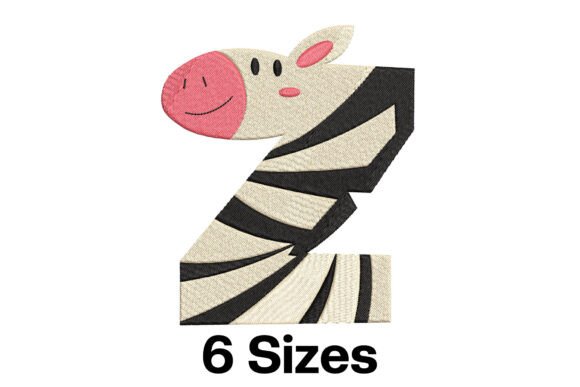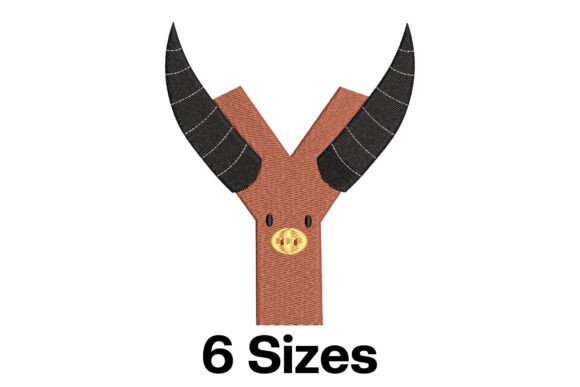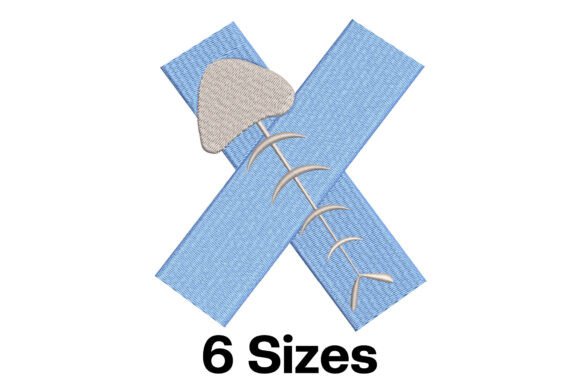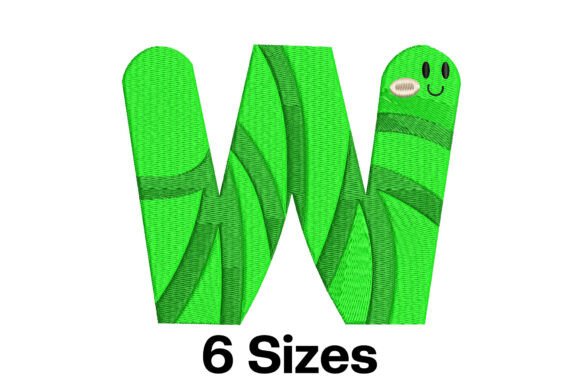
Funny Cat Alphabet Letter C
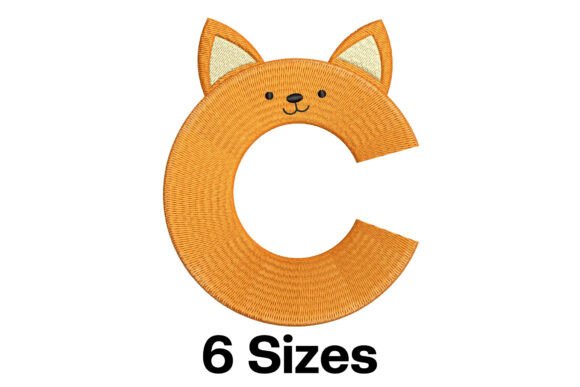
The Funny Cat Alphabet Letter C is a delightful machine embroidery design that brings a playful twist to any craft fair product or handmade item. With its charming cat silhouette and bold letter C, this design is perfect for adding personality to tote bags, aprons, and other fabric-based creations. As an experienced embroidery designer, I’ve evaluated this design in various contexts, and it stands out as a versatile and appealing option for both small shop products and commercial embroidery.
First Impressions of Funny Cat Alphabet Letter C
From the first glance, Funny Cat Alphabet Letter C exudes a fun and whimsical vibe. The design feels modern yet nostalgic, with a touch of farmhouse charm that appeals to a wide range of customers. It’s not overly complicated, which makes it easy to recognize at a glance—ideal for a busy craft fair booth where quick visual impact matters. The combination of the cat and the letter C creates a unique identity that can be easily branded and marketed.
Performance on Different Products
When considering where Funny Cat Alphabet Letter C would stand out, the design excels on a variety of items. On a tote bag design, it adds a playful focal point that draws attention without overwhelming the overall look. For apron embroidery, it serves as a subtle but memorable detail that enhances the functionality and aesthetic of the garment. Tea towel embroidery featuring this design becomes a conversation starter, making it a great addition to kitchen decor.
On caps, the design works well as a small accent, especially when placed on the front or back panel. Embroidered patches with this design are ideal for jackets, backpacks, or even as standalone accessories. Fabric pouches and pillow covers benefit from the design’s simplicity, allowing it to blend seamlessly into home decor while maintaining a sense of individuality. Market bags and handmade gifts also gain a special touch with this design, making them more appealing to buyers looking for unique, personalized items.
Visual Appeal and Customer Attention
Funny Cat Alphabet Letter C has strong visual appeal, particularly when used as a focal point on larger items like tote bags or pillow covers. Its clear lines and defined shapes make it stand out in person, which is crucial for craft fair displays where customers often make quick decisions. The design also translates well into printable mockups, allowing Etsy sellers and digital sellers to showcase it effectively in online listings.
As a small shop product, this design offers excellent value. It’s not too complex to produce, which means it can be made in batches without sacrificing quality. The simplicity of the design also makes it easier to photograph for online listings, ensuring that the final product looks as good in photos as it does in real life.
Practical Selling and Production Points
One of the key advantages of Funny Cat Alphabet Letter C is its versatility. It can be used as a small accent or a large focal design, depending on the project. This flexibility allows embroidery business owners to adapt the design to different products and customer preferences. However, it’s important to consider stitch density and thread colors to ensure the design remains clear and consistent across various fabrics.
For commercial embroidery, the design is repeatable and efficient, making it a solid choice for batch production. When working with thick fabrics or textured towels, it’s essential to use the right stabilizer to prevent puckering or distortion. Similarly, when stitching on curved cap surfaces or dark fabrics, careful attention must be paid to thread contrast and placement to maintain clarity.
Careful-Use Notes
While Funny Cat Alphabet Letter C is generally straightforward to work with, there are a few considerations to keep in mind. Dense stitch areas may require additional stabilizer support, especially on delicate or stretchy fabrics. Tiny details and small lettering should be tested on scrap fabric to ensure they remain visible and well-defined. When using this design on dark fabrics, choosing the right thread colors is crucial to maintain contrast and visibility.
It’s also important to confirm the hoop size required for the design before starting production. Some designs may need multiple hooping steps, which can affect efficiency. Additionally, checking the spacing between elements ensures that the design doesn’t appear cramped or cluttered on the final product.
Impact on Handmade Quality and Brand Consistency
Funny Cat Alphabet Letter C enhances the handmade quality of any product it’s applied to. Its clean lines and playful character make it ideal for boutique makers and creative entrepreneurs looking to build a cohesive brand. When used consistently across different items, such as tote bags, aprons, and embroidered patches, it reinforces brand identity and helps create a recognizable style.
For booth display strength, this design is a valuable asset. It stands out among other items, attracting attention and encouraging customers to engage with the products. As a craft fair product, it has the potential to sell quickly, especially when paired with complementary items like tea towels or fabric pouches.
Embroidery Designer Notes
Before finalizing any project with Funny Cat Alphabet Letter C, it’s wise to test the design on scrap fabric. This step helps identify any issues with stitch density, thread contrast, or stabilizer use. Reviewing the spacing of the design ensures that it looks balanced and well-proportioned on the intended fabric.
Confirming the hoop size is another critical step, as some designs may require specific hoop dimensions for optimal results. Using the right stabilizer is essential, especially when working with challenging fabrics like thick towels or stretchy materials. Creating at least one real mockup allows you to see how the design looks in person, which is invaluable for marketing and sales purposes.
Comparing fabric colors and testing the design on different backgrounds helps ensure that it remains visible and appealing in all scenarios. Finally, confirming commercial licensing before selling finished products is a must, as it protects both the designer and the seller from legal issues.